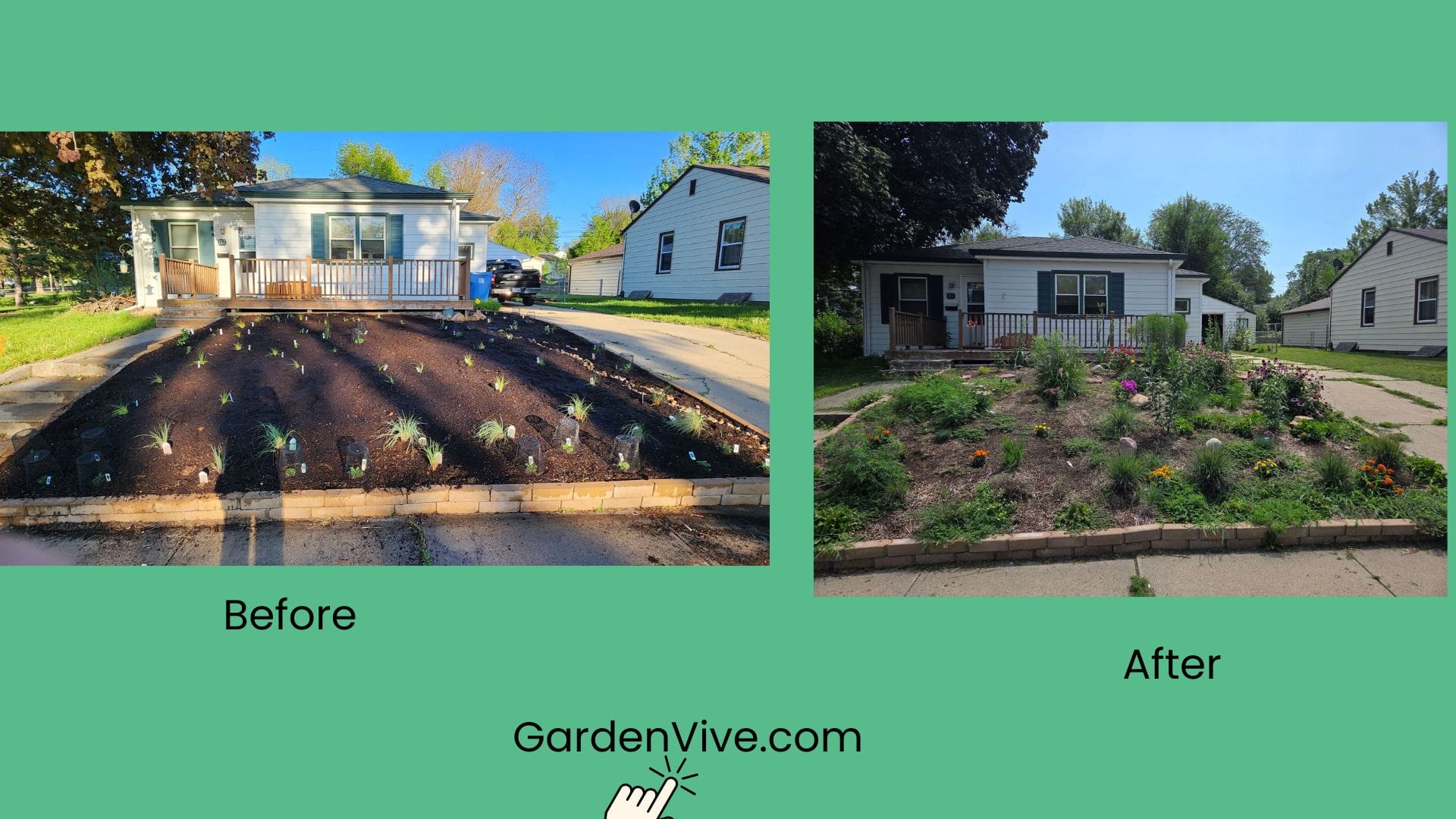
The lawn in front of the house looks clean. But it also needs constant mowing, watering, and maintenance. If you are planning to turn your lawn into a garden, that's a great idea, and it can give you fresh organic foods.
I have been gardening since I was 14, and I will share some helpful tips and tricks to get into gardening.
The constant mowing, weeding, fertilizing, etc., is such a darn waste of time if you have a lawn.
So there are basically 4 major methods:
- Sheet mulching or cardboards
- Digging Out Sod
- Smothering Grass With Tarp
- Raised Beds Over Grass
- Herbicide Method (Optional Section)
I am not gonna explain all those as it will make this article really long.
If you want to get rid of grass, do this in the fall. It will be easier then.
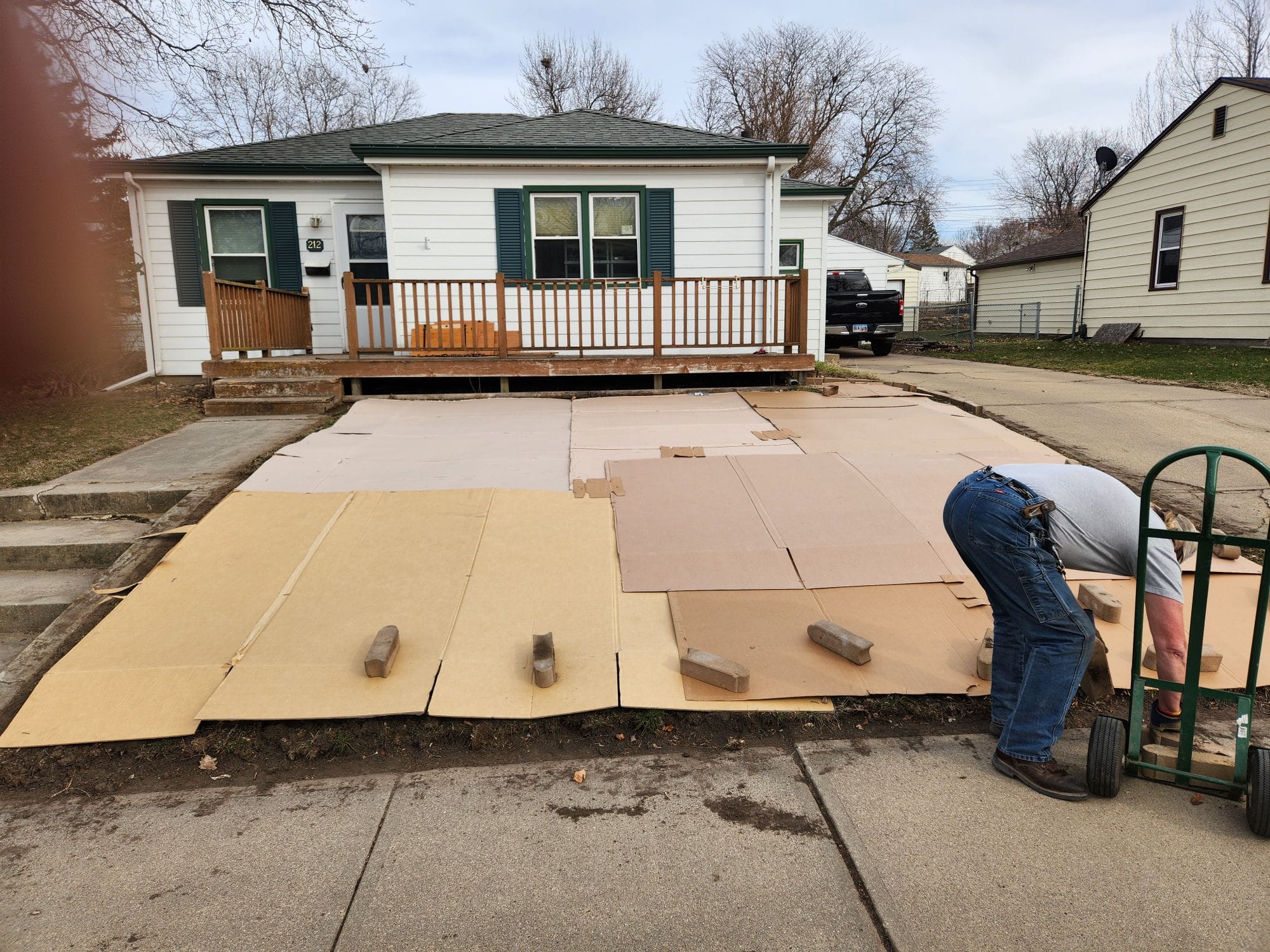
Using cardboards
This is how my uncle did it. He covered the lawn with cardboard, then dirt/compost.
Having a garden does not mean you have to remove all the grass.
Make a drawing of what you want in your garden. Like the raised bed positions, if you want any specific area for rock spreading, etc.
But sometimes, digging is the only option. Dig, or it will keep coming back. You can start by digging up garden areas and leaving a grass path. As you expand, keep cutting into the grass until you've replaced it all.
Digging out sod
This method has no shortcuts.
You have to dig it out. But I did find a better way to do it, if you have some time. I cut out the sod and turn it upside down.
I then put newspapers over top of it, and on top of that I put a couple of inches of soil.
You could also mulch it if you wanted to. I let that sit for about a year. By that time, the grass has decomposed, which enriches your soil. And I’ve had no problem with grass coming up after that in my gardens.
When I asked my grandpa how he managed to turn his lawn into a garden, this is what he said:
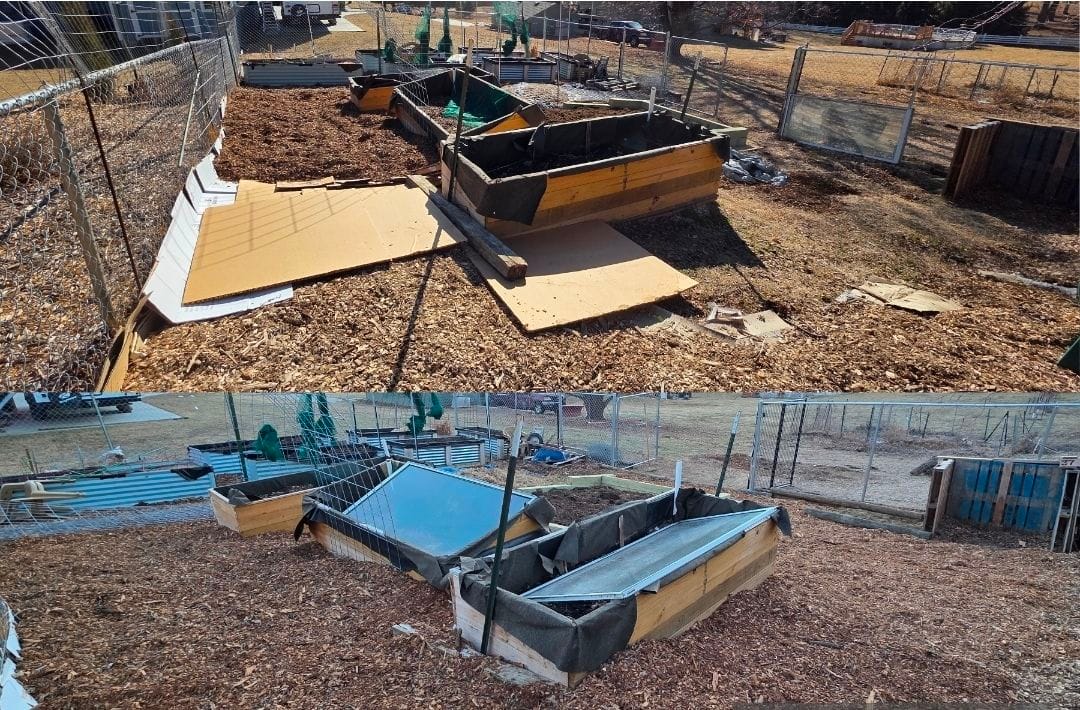
Do a little at a time, that's what I did with my garden. Over 5 years, I went from 250 sq ft to 1,800 sq ft.
I wanted to make sure I was going to use all of my new areas of the garden. I have raised beds, so I laid cardboard down under the beds. I laid several layers of cardboard down over the grass and used wood chips on top of the cardboard to make walkways. Then, as I expanded my garden, I could move the mulch if I wanted to add a bed in that area. I highly recommend putting down the cardboard and wood-chip walkways.
Last season, we didn't cover the walkway in the new expanded area and had to use a weed-eater to cut the grass all the time. That got old real fast and was a pain to do when we'd come back from being out of town. Good luck and enjoy your gardening adventure; it's a never-ending rabbit hole of fun.
My neighbor did 6mil plastic sheeting in the fall, and then in the spring she was able to plant in it. I’ve also read good things about thick layers of cardboard to solarize it. I plan on using cardboard as the plastic sheeting can leech microplastics. It probably works better than cardboard, is my guess, as it doesn’t get wet and soggy, etc., but her garden is thriving and gorgeous!!
It may take a year or two to keep all the grass out. With lots of mulch, it will become a beautiful garden.
When you start gardening, you need to understand that sunlight is a huge factor for plants.
You can check this chart: Sunlight requirement chart for plants
If you need a planting schedule chart, visit the homepage of this site. I have published planting schedules for all the major USDA zones on this website.
Consider growing a few native plants to attract more pollinators to your garden.
You can also check this companion planting guide to deter pests naturally.