Let's be honest at the very beginning of this guide. Lemongrass is not a frost-tolerant plant. It's gonna die if left outside in winter where there is a chance of frost.
Lemongrass is a tropical plant, and it can survive winter outside only in USDA Zone 9b and above. ( Zone 9 is not a guaranteed success for lemongrass, as sometimes this zone might get hit by a chilly winter)
Below zone 9, we treat lemongrass as an annual plant. A lot of gardeners plant new lemongrass every year as it dies in winter.
This guide is for those who wanna keep their lemongrass alive all winter. Our goal is to keep the plant alive so that we can replant it once winter is over.
It's important for us to understand the cold tolerance of this plant before you decide what steps need to be taken.
Cold tolerance for lemongrass
- If you are in Zone 10 or above, congratulations, no extra care needed for winter. They're gonna be green year-round and can be considered a perennial plant.
- If you are in Zone 9, I would suggest bringing them indoors, as nature is unexpected sometimes, and if your lemongrass plant is left outside for the whole winter, it may die due to the cold.
But you can still save it outside if the ground is exceptionally well-draining and the crown is heavily insulated with a 4-to-6-inch layer of straw or dry wood mulch. The top foliage will die back, but the roots should resprout in spring. - If you are in Zone 8 or below Zone 8, you must overwinter by bringing them inside to save them.
The cold tolerance of lemongrass is about 40°F. But do not wait for that extreme cold or frost if you are planning to overwinter.
When nighttime temperatures consistently drop to 45°F (7°C), move your lemongrass plant indoors.
For other plants, save this chart I created last year: when to bring plants indoors in winter.
Is lemongrass a perennial - Based on your USDA Zone
| USDA Hardiness Zone | Is Lemongrass a Perennial? | Winter Behavior Outdoors |
|---|---|---|
| Zones 10 – 11 | Yes (True Perennial) | Evergreen, survives year-round with active growth. |
| Zone 9 | Yes (Tender Perennial) | Top foliage dies back in light frost, but roots survive and resprout in spring. |
| Zones 8 & Below | No (Treated as Annual) | Dies completely in winter freezes unless dug up and brought indoors. |
Methods to overwinter lemongrass
There are two major methods to overwinter lemongrass. There is only 1 single goal: keep it alive to grow it again in the next spring.
Choose the method that suits you according to the light availability and indoor space.
Note: It will come back if you keep it in the greenhouse. (Just saying if any of you have a greenhouse)
| Overwintering Method | USDA Zones | Fall Timing & Trigger Temp | Winter Environment & Temp Guide | Winter Care Routine | Spring Wake-Up Timing |
|---|---|---|---|---|---|
|
Semi-Active Houseplant Growth |
Zones 8 & Below (Or Zone 9 during rare deep freezes) |
Late Autumn Move indoors before nighttime temps drop below 50°F (10°C). |
Sunny Indoors South-facing window or grow lights. 65°F - 75°F (18°C - 24°C) |
Trim foliage to 6-10 inches. Water sparingly (only when top 2 inches of soil are dry). No fertilizer. |
Mid/Late Spring Harden off outside once nighttime temps stay consistently above 50°F (10°C). |
|
Dormancy Cold Storage Sleep |
Zones 8 & Below |
Late Autumn Move indoors before nighttime temps drop below 50°F (10°C). |
Dark & Cool Unheated garage, basement, or root cellar. 40°F - 50°F (4°C - 10°C) *Must remain frost-free. |
Hard prune to 3-4 inches above the base. Provide minimal water (approx. once a month) just to keep roots from fully drying out. |
Early Spring Bring into a warm, bright room to break dormancy. Move outside when nights are > 50°F (10°C). |
|
Outdoor Survival In-Ground |
Zones 9 - 11 |
Late Autumn Leave in ground. In Zone 9, apply a 4-inch layer of straw mulch before the first light frost. |
Outdoors Can survive short dips into the 30s (°F), but foliage will die back if frosted. |
Rely on natural rainfall. Ensure soil drains extremely well so roots do not rot in cold, wet dirt. |
Spring Remove winter mulch. Trim away any dead, brown winter foliage to allow new green shoots to emerge. |
Semi-active method (Lemongrass will stay semi-active during the whole winter)
Go for this method only if you have a grow light setup or a bright south-facing window space.
Start spraying the plant with neem oil from mid-fall. Spray at least twice. This will help the plant to get rid of most of the bad bugs and pests. (It's important as we are planning to move lemongrass indoors before winter)
Trim the leaves before the temperature dips below its cold tolerance. Use a sharp tool to trim the long, arching leaf blades down to about 6 to 10 inches above the base.
Now, it's time to dig up the plant. If your plant is big and well-established, you might also need to separate or divide the clump.
Use a sharp garden spade to dig a wide circle around the clump and lift the rootball carefully.
Plant them into pot(s). Make sure the pots have drainage holes. (And the pot size it will need is quite big)
Now, place in the brightest spot you have (like a window side, where it can get sunlight as well, or place under grow lights)
Once the night temperature starts to rise consistently after the winter is over, you can plant them outside.
Note: No need to water that much. Just water when the pot soil is dry for more than 2 days.
Dormancy method for lemongrass
If you have limited access to light, you can go with this method.
Our goal is to keep our lemongrass in the deep sleep phase for the whole winter (until spring).
Cut the entire clump down to a mere 3 to 4 inches above the root base.
Sometimes people do this when their lemongrass plant has already started dying back. This decreases the chances of survival in the winter.
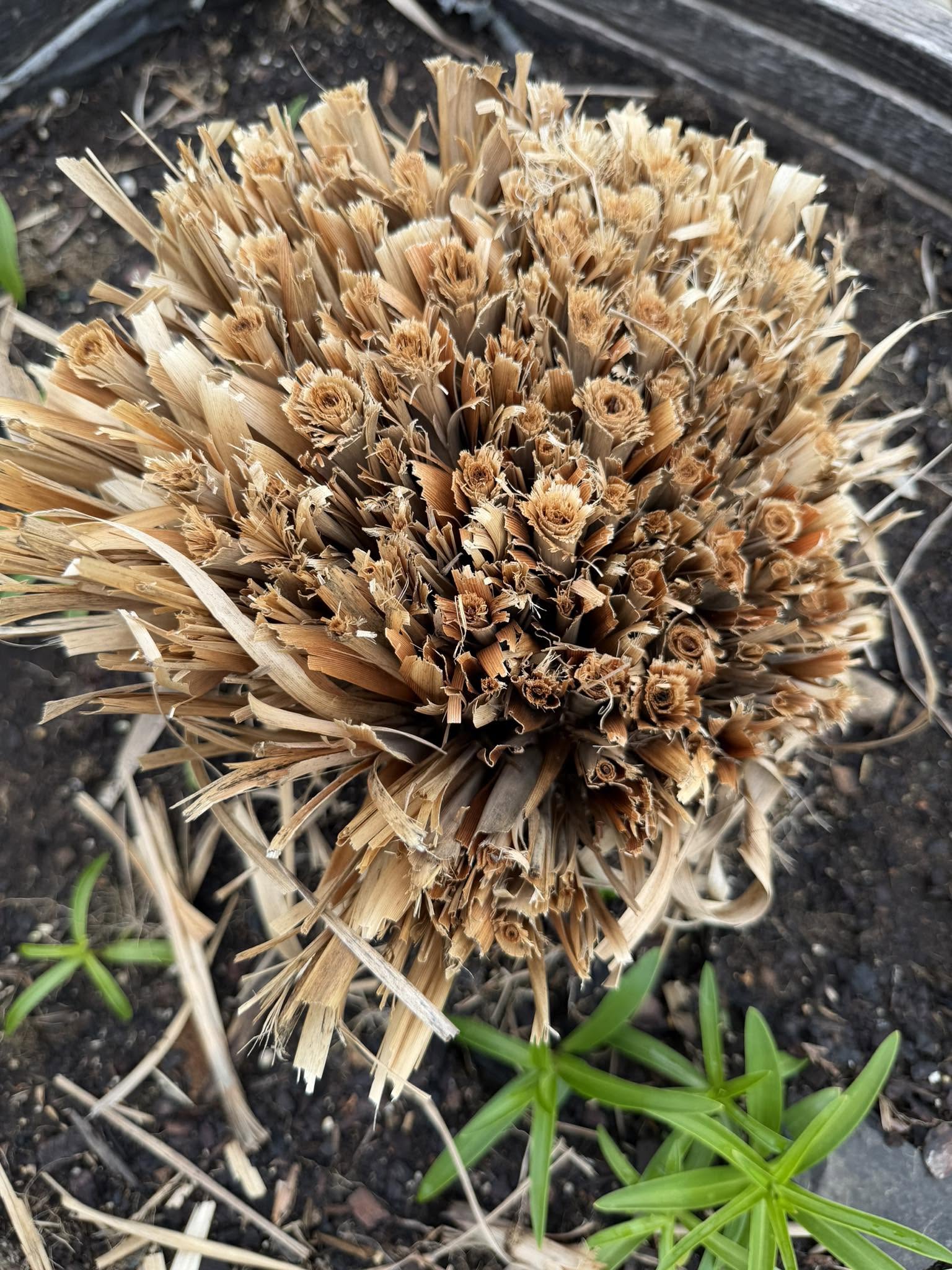
Do not let the leaves die back and turn brown like this. Trim when they are still green.
Trim your lemongrass in late fall before the temperature reaches the cold tolerance.
This time, we need a smaller pot. Squeeze the root ball into a smaller, manageable pot with lightly moistened soil.
Now, place the pot in a cool, dry, unheated, frost-free area. For example, your garage. The ideal temperature for this dormancy method is approx. 40°F to 50°F.
I have had the same pot of lemongrass for about 5 years and keep it in the garage each winter. It takes a while to come back each spring.
You should check the pot once a month. If you see bone-dry soil, add a few tablespoons of water. (Just to save the roots)
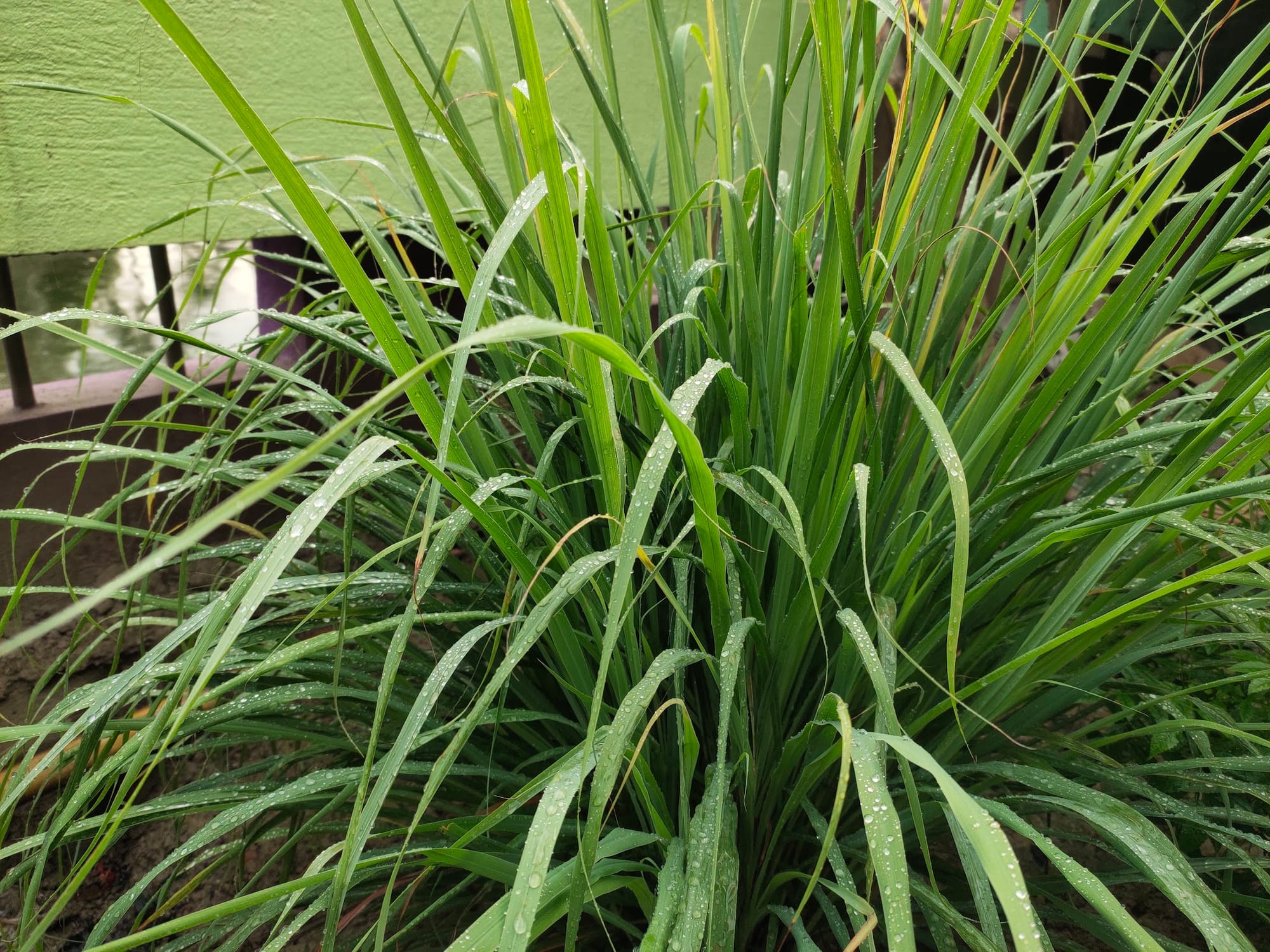
When winter is over and the soil temp is good enough, you can plant them outside again, and in the spring, they will give beautiful leaves just like this:
Lastly, if you fail to overwinter your lemongrass, don't worry. They are fast-growing, and you can get a jump start on it by buying from an Asian market and replanting it.
If you find this guide helpful, please subscribe to this site.