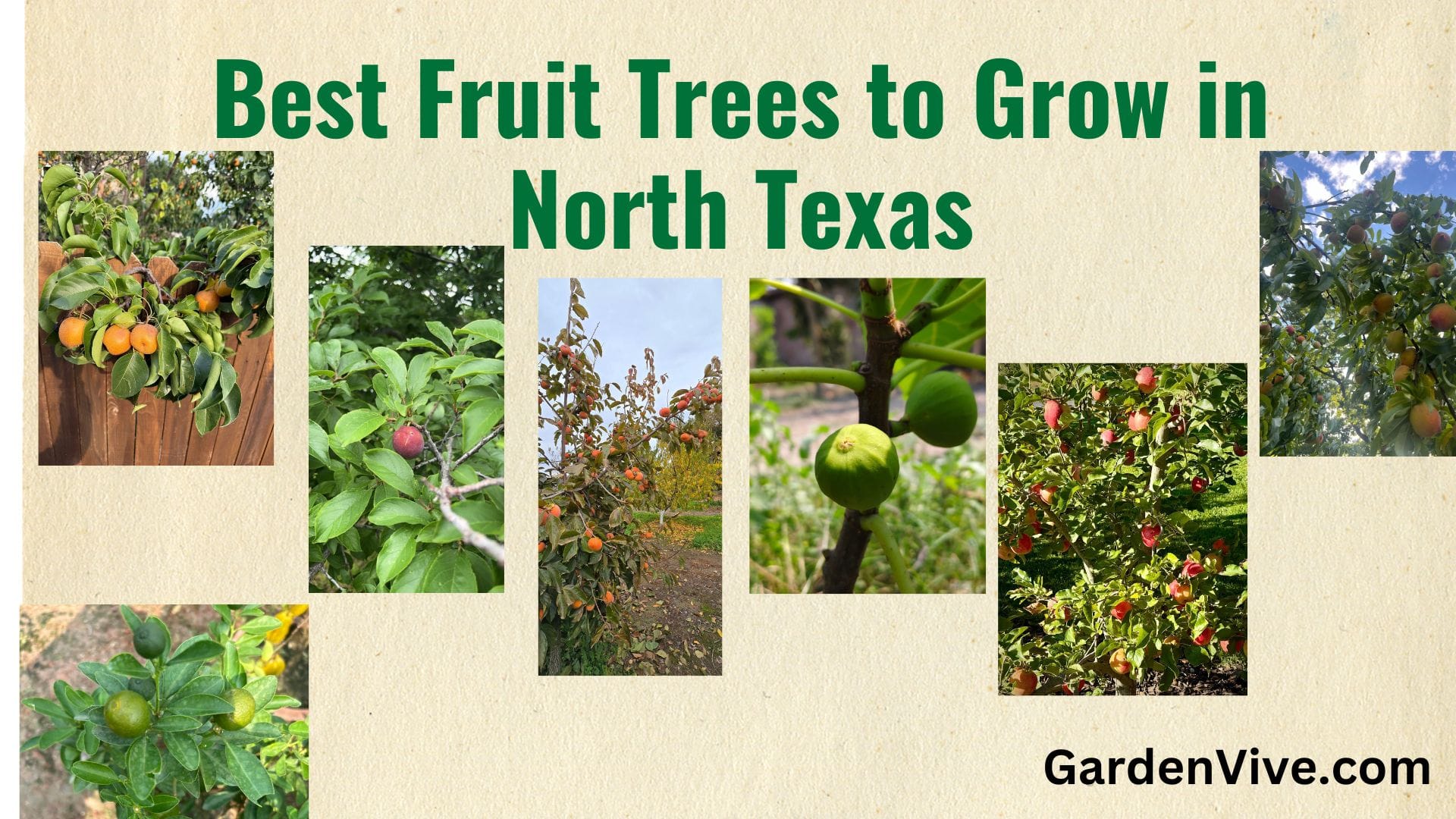
My grandpa (86) has a large fruit orchard in North Texas, and he's growing a lot of different fruit trees there. Based on our experience, I have created this list of the best fruit trees that you can grow in North Texas.
When I say best, it's not only my personal opinion anymore. I had to consider a lot of different factors, like the difficulty level of growing a specific fruit tree, its production yield, how it tastes, etc.
Considering all the major factors, I have made this organized chart that will show you the fruit tree names with planting time, fruiting season, pruning time, and variety recommendations.
At first, I will show you the list, and then I will talk about those trees with pictures.
Before you jump to the list, I need you to read this:
As far as the easiest persimmons, figs, jujubes, mulberries, pecans, and pomegranates (technically not a tree but close enough).
Blackberries aren’t a tree, but they grow well here, too. Plums, peaches, and some pears are a little more difficult, but can do well too.
Apples do not do well. It doesn’t get cold enough for long enough. If you happen to get apples one year, they won’t be nearly as good as apples grown in a colder winter area.
List of the best fruit trees that you can grow in North Texas
I have included planting time, blooming season, fruiting season, and variety recommendations.
| Plant | Recommended Varieties (North Texas) | Planting Time | Blooming Time | Fruiting Time | Pruning Time |
|---|---|---|---|---|---|
| Pear | Orient, Kieffer, Moonglow | Late Winter (Jan–Feb) | Early Spring (Mar) | Summer (Jul–Aug) | Late Winter |
| Peach | Redskin, Elberta, June Gold | Late Winter | Early Spring | Late Spring–Summer (May–Jul) | Late Winter (heavy pruning) |
| Plum | Santa Rosa, Methley | Late Winter | Early Spring | Early Summer (Jun) | Late Winter |
| Fig | Celeste, Brown Turkey | Early Spring | Late Spring | Summer (Jun–Aug) | Late Winter (light) |
| Citrus | Meyer Lemon, Satsuma Mandarin (container recommended) | Spring (after frost) | Spring | Fall–Winter | Light pruning after harvest |
| Apple | Anna, Dorsett Golden, Fuji | Late Winter | Spring | Summer–Fall | Late Winter |
| Pomegranate | Wonderful, Eversweet | Spring | Late Spring | Fall (Sep–Nov) | Late Winter (light) |
| Blackberry | Natchez, Ouachita, Arapaho | Late Winter | Spring | Early Summer (May–Jun) | After harvest |
| Jujube | Li, Lang | Spring | Late Spring | Fall | Late Winter (minimal) |
Scroll the chart sideways to see the complete chart on small-screen devices (like mobile).
Note: Blackberry is not a typical tree. It's actually a shrub.
These are the most popular easy-to-grow fruit trees for North Texas.
If you like what I write for you, subscribe to this site and become a member. This is something that makes me smile. (When I receive that new subscription notification mail)
Pear
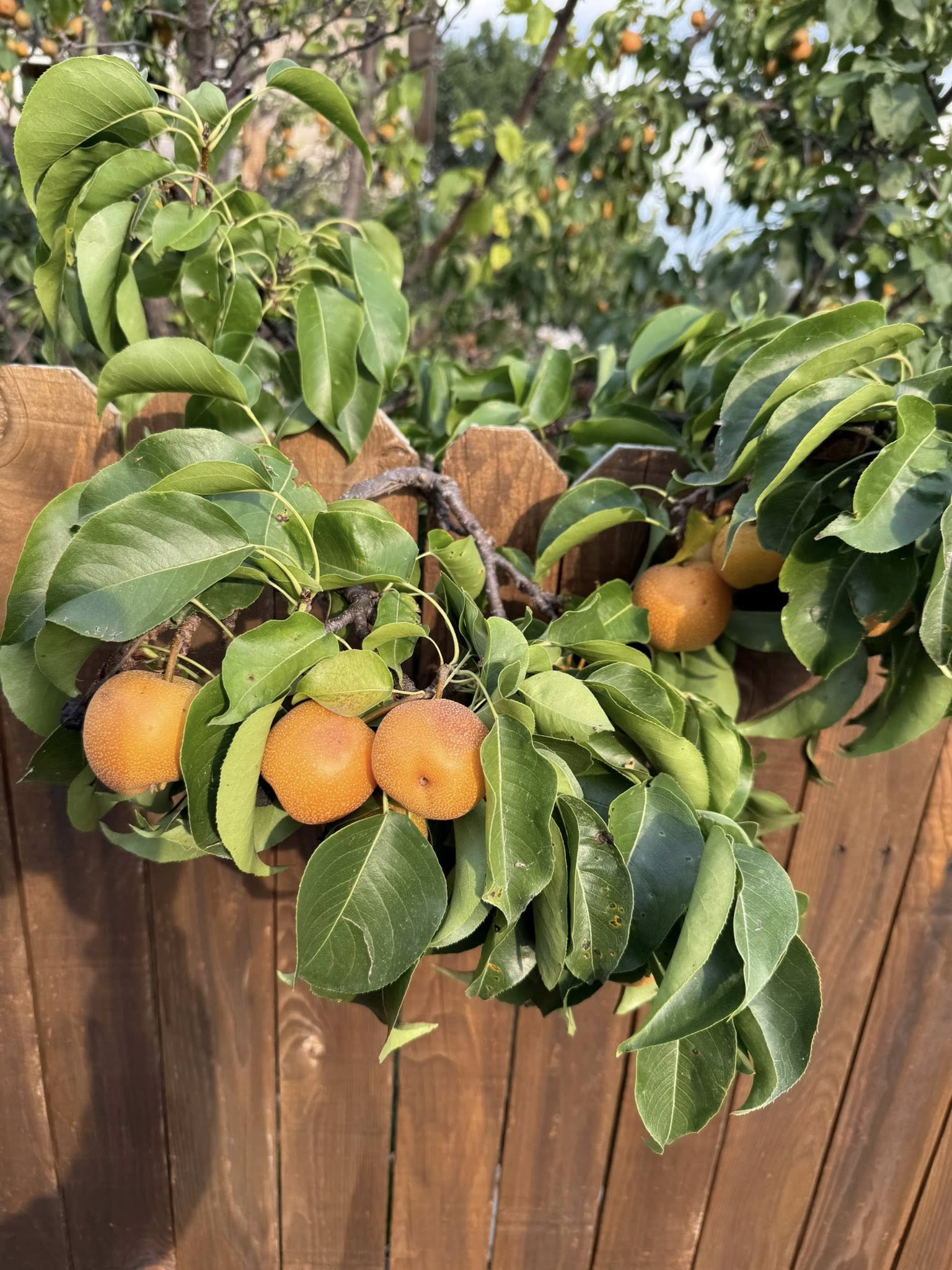
For pears, I’ve had the best luck with Kiefer and Asian planted next to each other.
Asian pear has a very good taste and has a long shelf life. They are very juicy and sweet.
There is another pear variety known as "cooking pear".
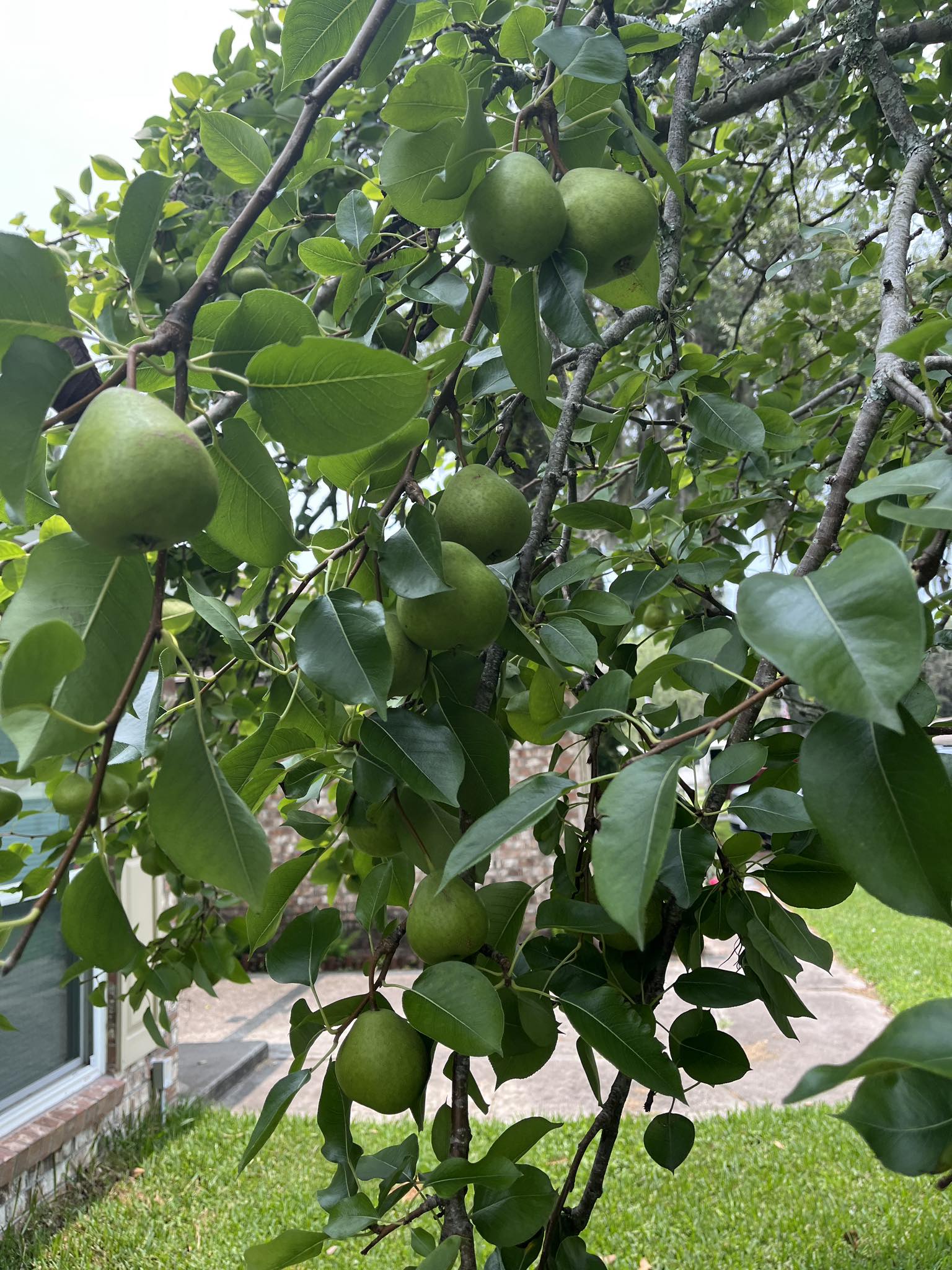
When ripe, they’re crunchy & a little gritty, but good with a little salt.
Winter pruning is for structure- make an open vase. Summer is for pruning the overgrowth of fruit, which can kill a tree by tearing off limbs too heavy to be supported.
Peach
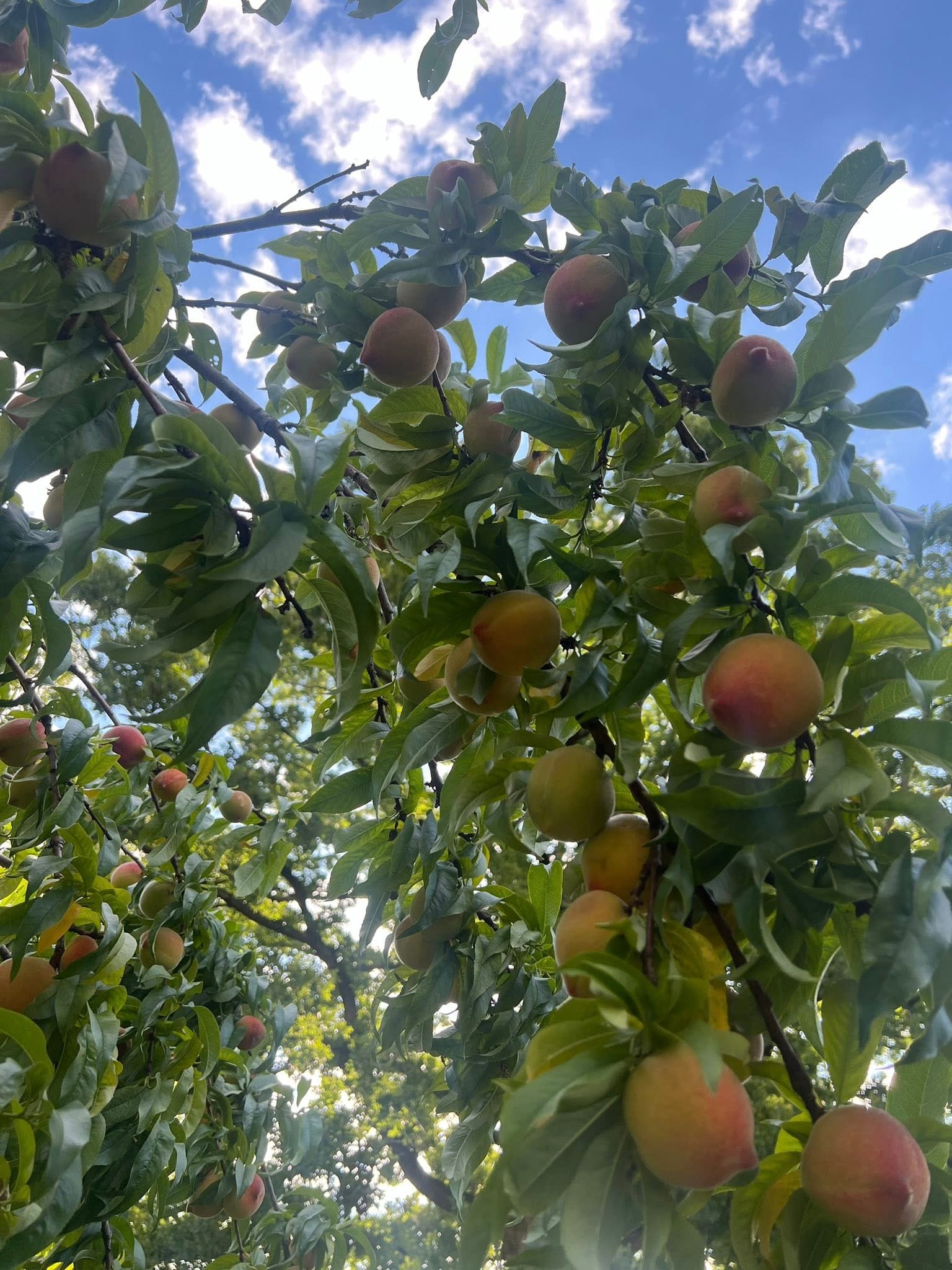
Growing a peach tree in North Texas is really easy. The only issue you might face is the leaf curling issue.
Leaf curl isn't really that bad. Just remove the leaves and throw them in your garbage. I had it pretty bad the first year, but after removing all infected leaves, I only get one or two infected leaves a year.
Stop using copper fungicide. You have to use it way too often. Use CEASE, it's beneficial bacteria that will take care of many fungal, mold, and disease problems. Safe to use.
Yeah, it might seem a bit expensive, but it's concentrated. 35 mls for 2 gallons.
If your fruit is still green, that means it’s a mid or late-season tree. Peach trees need lots of water at this time to swell the fruit.
Make sure you prune off limbs that block the sun from your fruit. Clear all fruit that falls. This fruit harbors the curculio bug, which is the worm that gets into your fruit when the fruit is tiny, lives in the fruit while it’s growing, then eats its way out just when you want to eat it.
You know you have this bug if you have sticky, sappy syrup seeping out of holes in the flesh. Get rid of this fruit. With temps below 75 degrees, spray Bonide Fruit Tree spray according to the instructions and after heavy rain.
Plum
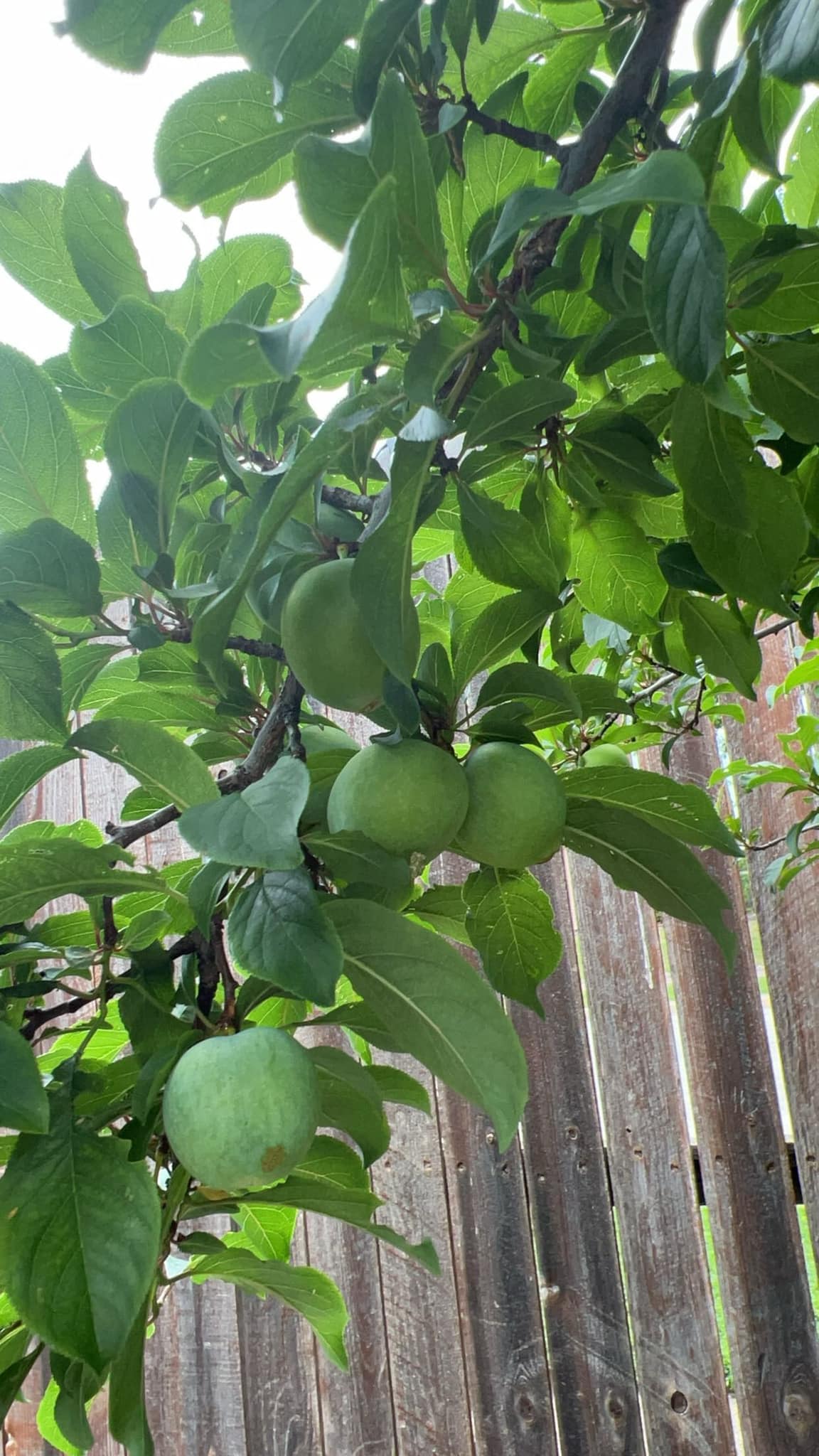
If you want an early producer plum tree in North Texas, go for Methley.
Santa Rosa is known for its flavor.
Make sure you are feeding your plum according to its current growth stage. This guide gonna help: Fertilization guide for fruit trees
Fig
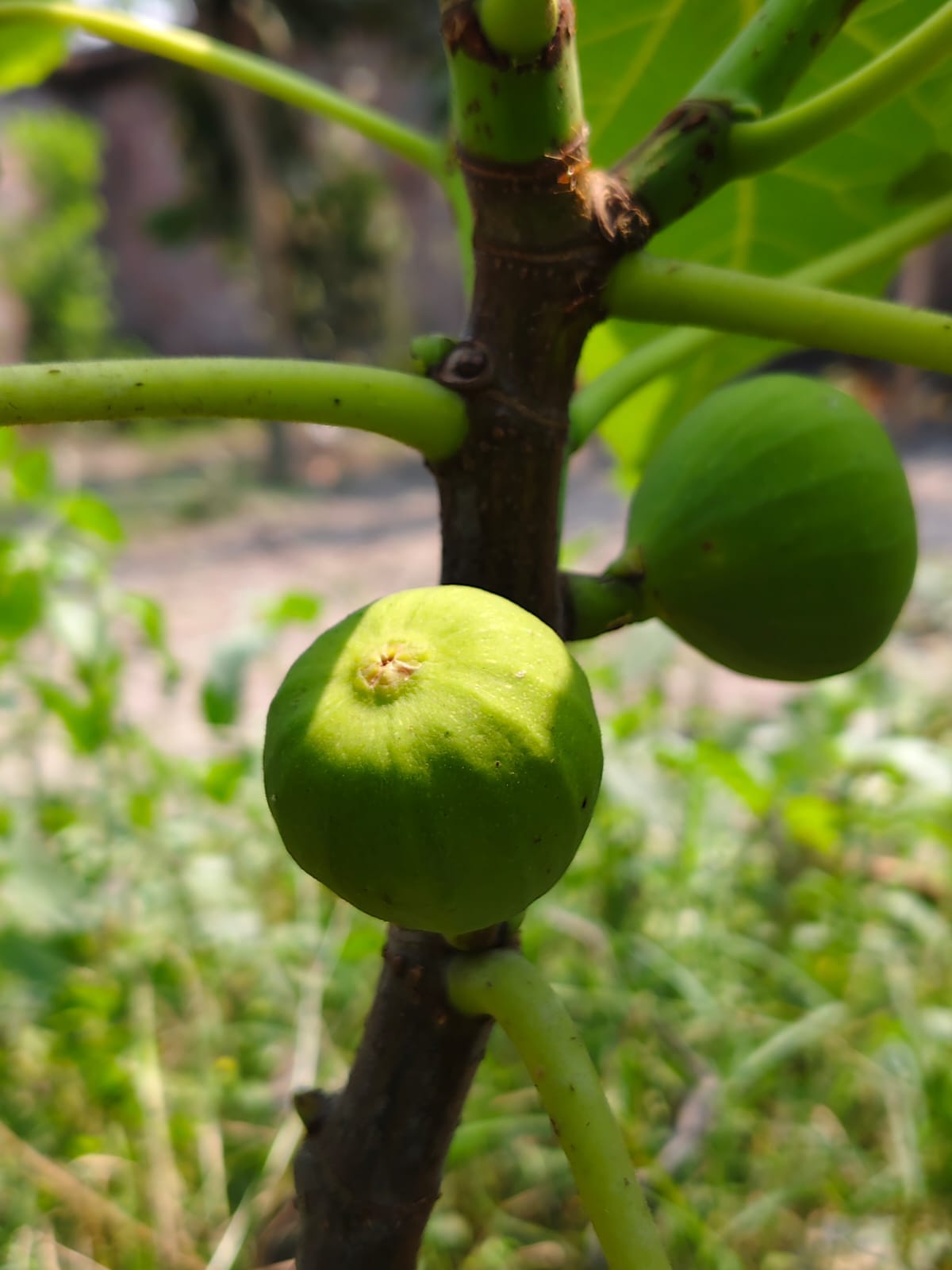
If you are a new fig tree grower, go with Celeste.
Why so? Celeste is the gateway fig. From there, you will get confidence and try a bunch of other types.
I have a Brown Turkey Fig tree. It took 3 years for it to fruit. Now in its 6th year, it is doing great.
Figs generally set fruit only on new growth, so pruning can increase the fruiting significantly.
There are hundreds of varieties, and they're easy to propagate from cuttings, air layers, etc. They can be kept in pots and pruned to keep their shape, or planted in the ground. I have about 20 different varieties, different flavors, time of year to fruit, etc. A very fun hobby to get into!. Figs in our area do not require pollination, and you can have just one.
Citrus
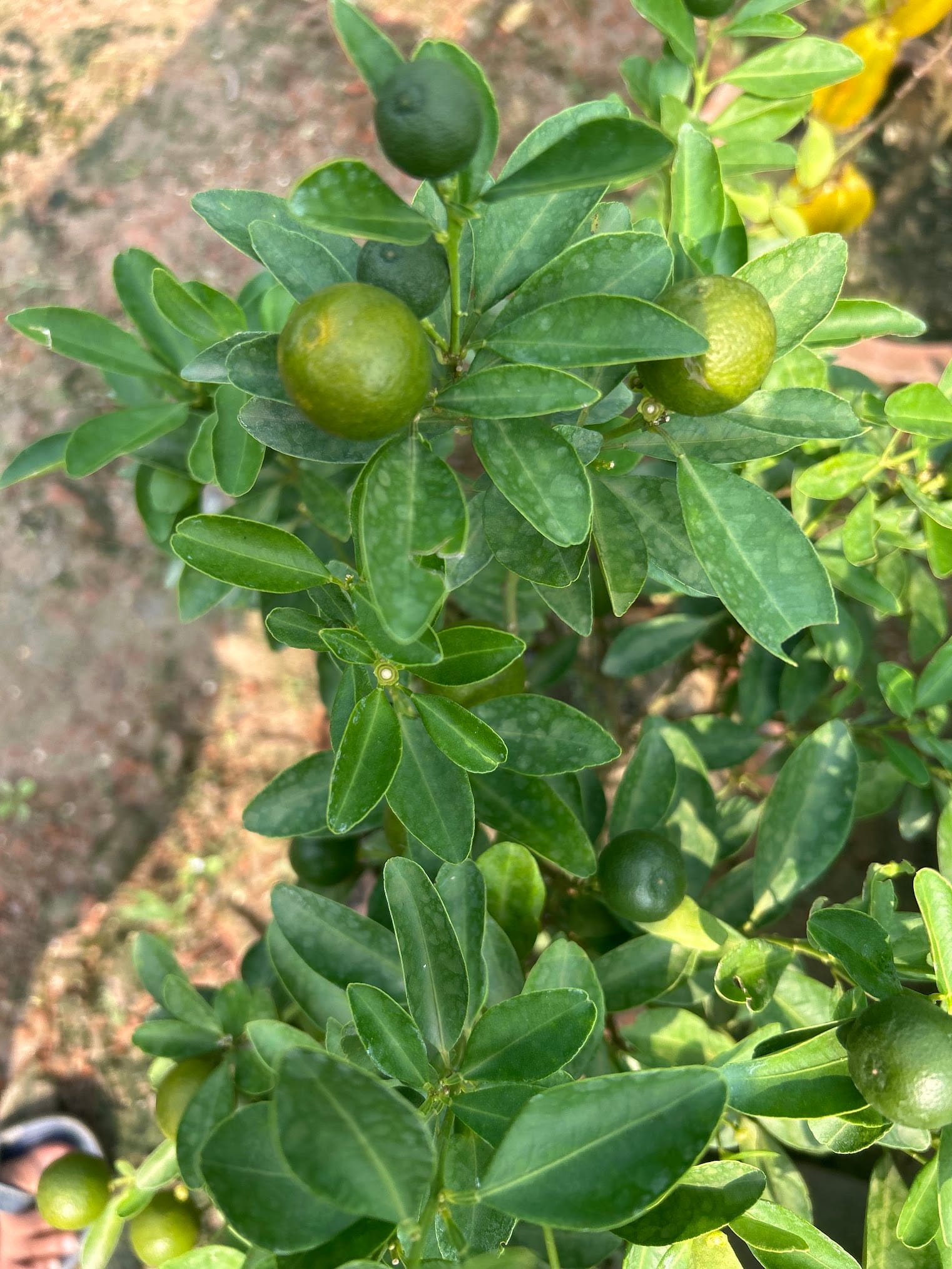
There are many different types of citrus.
I have added citrus here in this list, as a lot of gardeners want fruit trees in pots. When it comes to pot, citrus is always at the top.
Citrus can be grown as long as you bring them inside during the cold spells we get. There is a citrus tree that was just introduced and isn’t available to the public, yet, that is doing very well when planted in the ground in N Texas. Can’t wait for it to be released! (Will give updates on this)
If you wanna start growing citrus, start with Meyer lemon.
Do not panic when you see white lines or straps on the citrus leaves. It is due to the leaf miner damage. You can also witness curly leaves on citrus.
Both guides are published here on Gardenvive:
Apple tree in North Texas
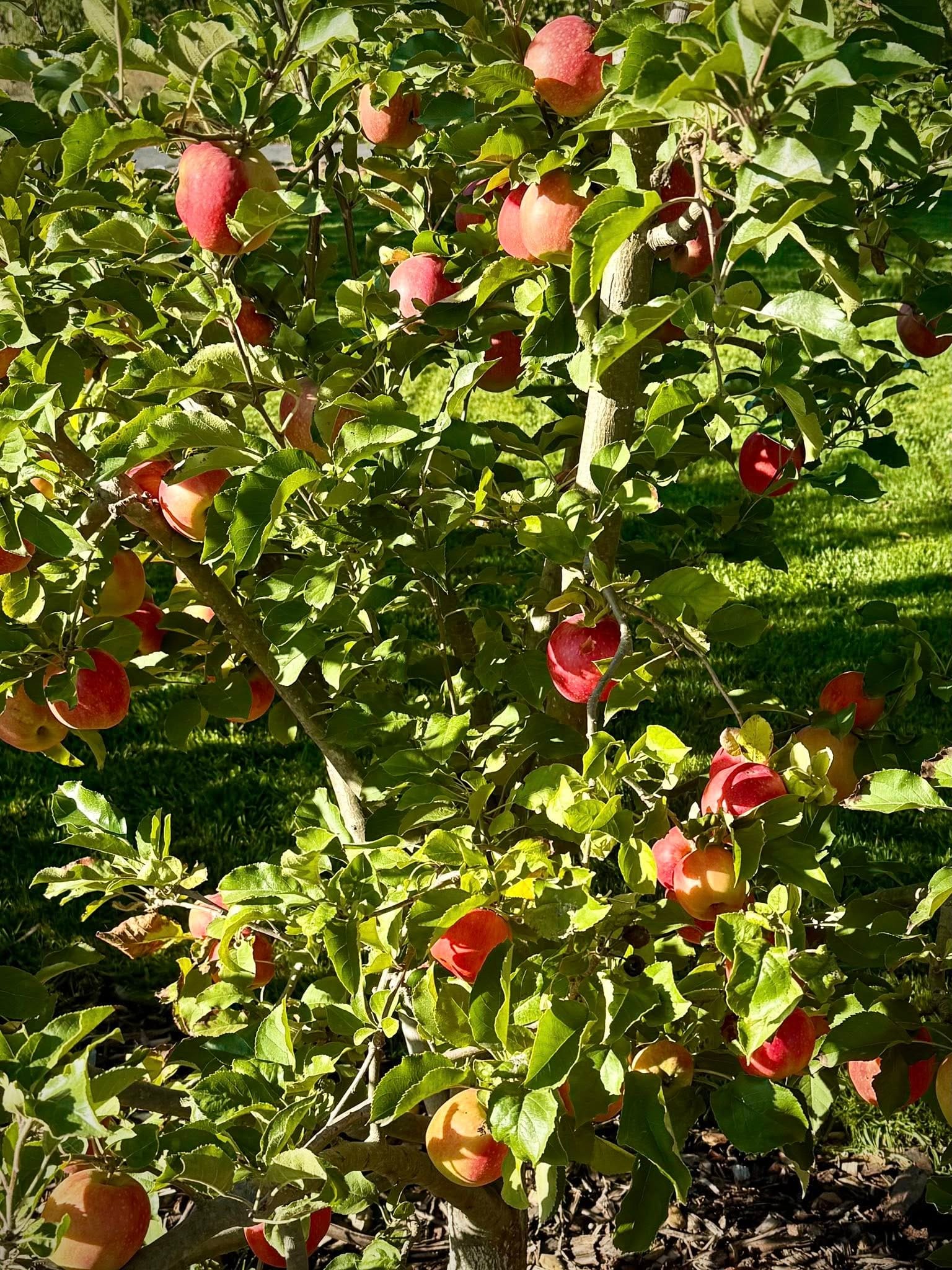
If you don't wanna grow the apple varieties I recommended in the chart, then go for Gala apples. They do well here in North Texas.
Make sure you are planting your apple trees where they should ideally be positioned in a sunny, open location that provides maximum sun exposure throughout the day.
Pomegranate
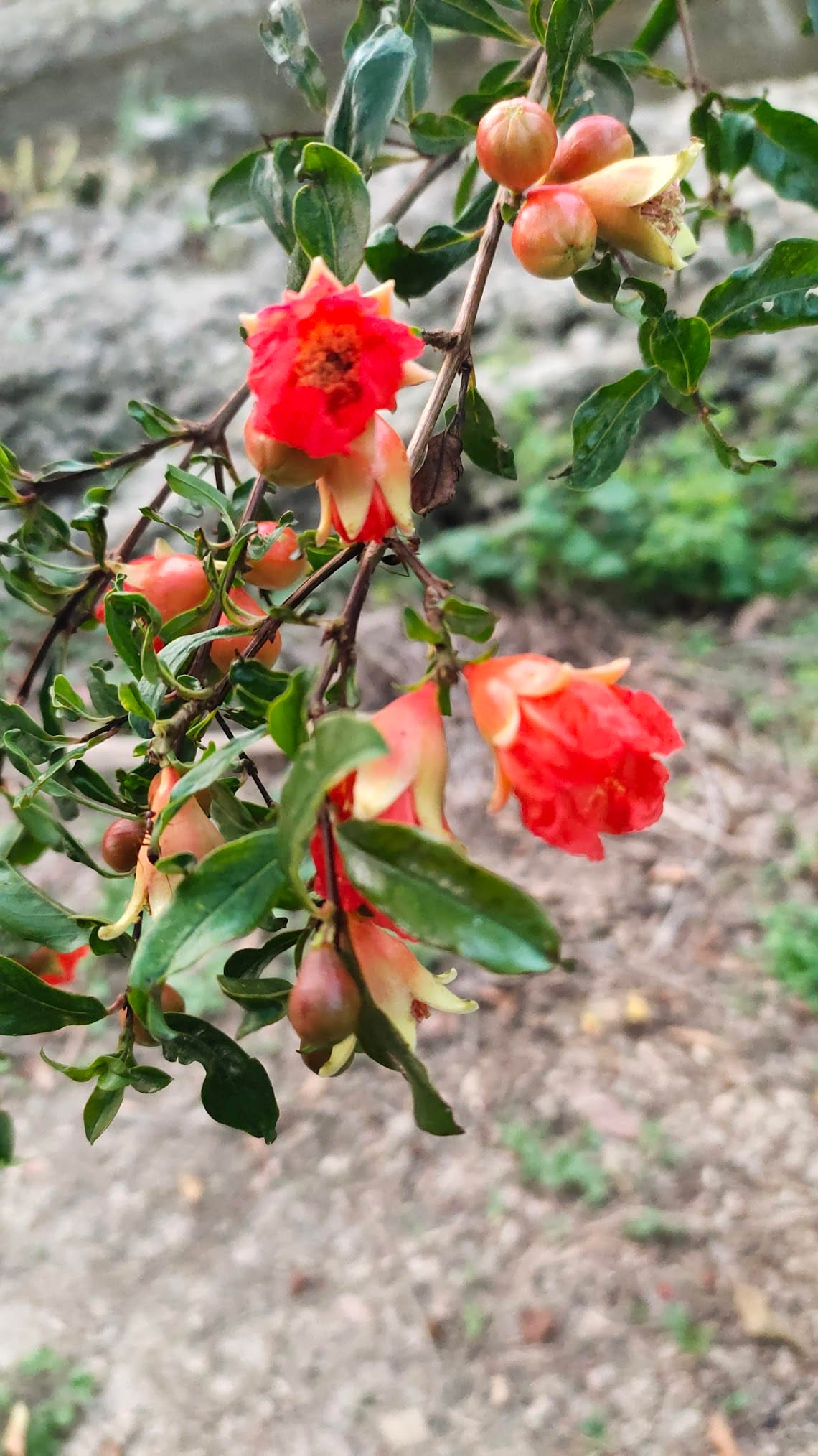
Pomegranate is working well for me. I got Texas pink as it was bred to handle Texas weather (more of a bush than a tree, though).
I would go with Red Pomegranate Bush, Texas Pink, and Wonderful. They are not as cold-hardy as Parafinka or the other Russian types, but they make up for it in flavor.
There are many to choose from, so please do your research, and if you go with the cold hardy ones, such as the Afghan / Russian types like Salavatski or Parfianka, please note that they are on the tart side and not as sweet and fragrant as some other varieties.
Russian 26, Sunbar, Salavatski, and Parfianka are all more cold-tolerant than the most commonly sold Wonderful. There are a few other Russian varieties that are also.
If you want to boost fruit set, you can hand-pollinate in the morning using a small brush lightly collect pollen from the smaller male flowers and transfer it onto the female flowers.
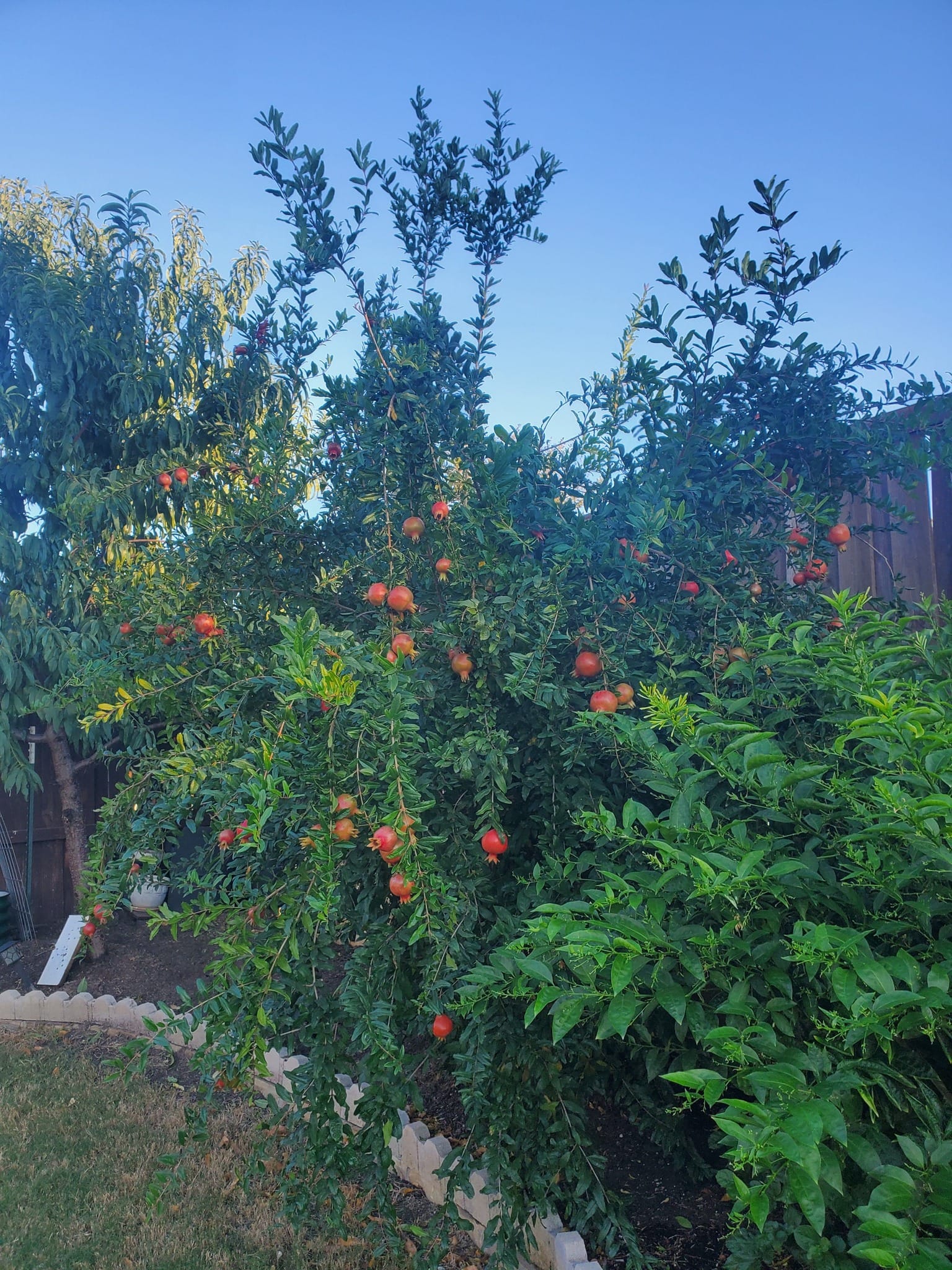
If you are growing something else successfully here in North Texas, let me know in the comment section below.
All the pictures were taken from my garden and my grandpa's orchard.